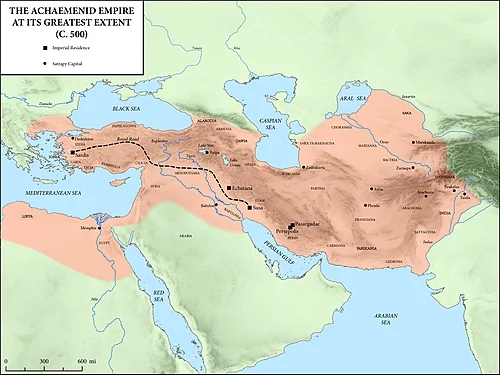
Modern World
Persia vs Iran: What Changed in 1935?
How one of the world’s oldest civilisations survived conquests, empires, colonial intrigue, and revolution to arrive at the name and nation we know today as Iran.
An Open History magazine
Revolution, reform and the age of empires, 1800 to 1945. 6 articles
How one of the world’s oldest civilisations survived conquests, empires, colonial intrigue, and revolution to arrive at the name and nation we know today as Iran.
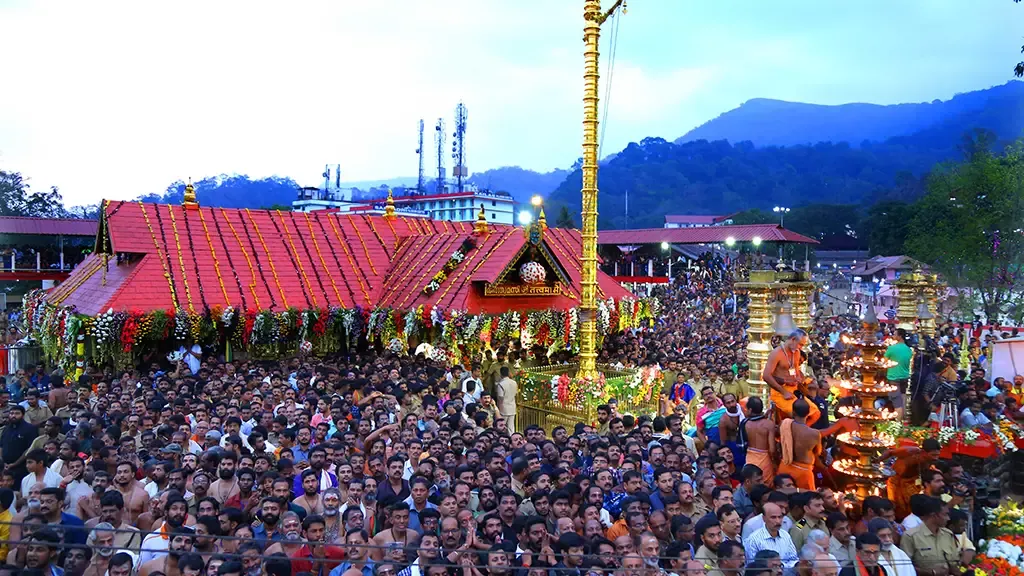
The question seems deceptively simple: when did Sabarimala begin? Yet beneath the contemporary devotional landscape lies a far more complex historical narrative. Where millions now see an ancient Hindu temple dedicated to Lord Ayyappan, historians find a palimpsest of tribal memories, colonial documentation, and remarkably recent transformations.
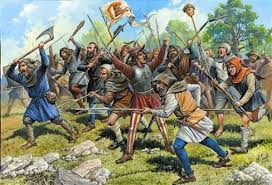
In the early nineteenth century, the northern districts of Bengal witnessed a remarkable fusion of spiritual devotion and social rebellion. The Pagal Panthi Revolt of 1825-1835 stands as one of the most significant peasant uprisings against colonial oppression and feudal exploitation in British India. Led by charismatic leaders who combined religious authority with political vision, this movement represented the desperate struggle of marginalised tribal communities fighting for dignity, justice,
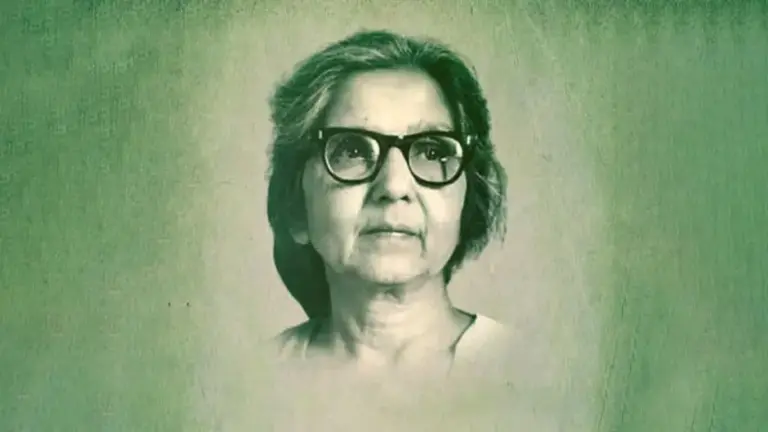
Aruna Asaf Ali, born on July 16, 1909, in Kalka, Punjab (now Haryana), was one of the most courageous women freedom fighters in India’s struggle for independence. She earned the title “Grand Old Lady of the Independence Movement” for her fearless leadership during the Quit India Movement of 1942, when she defied British colonial authority in one of the most iconic moments of India’s freedom struggle. Her life was marked by extraordinary bravery, ideological conviction, and an unwavering commitme
In 1888, at a time when the vast majority of Dalits in India were denied basic literacy and their voices systematically erased from public discourse, a remarkable man named Gopal Baba Walangkar did something unprecedented. He founded Sudharak (सुधारक), meaning “The Reformer”—India’s first newspaper published by and for the Dalit community. This wasn’t merely the launch of another periodical; it was an act of profound defiance against one of history’s most entrenched systems of oppression.
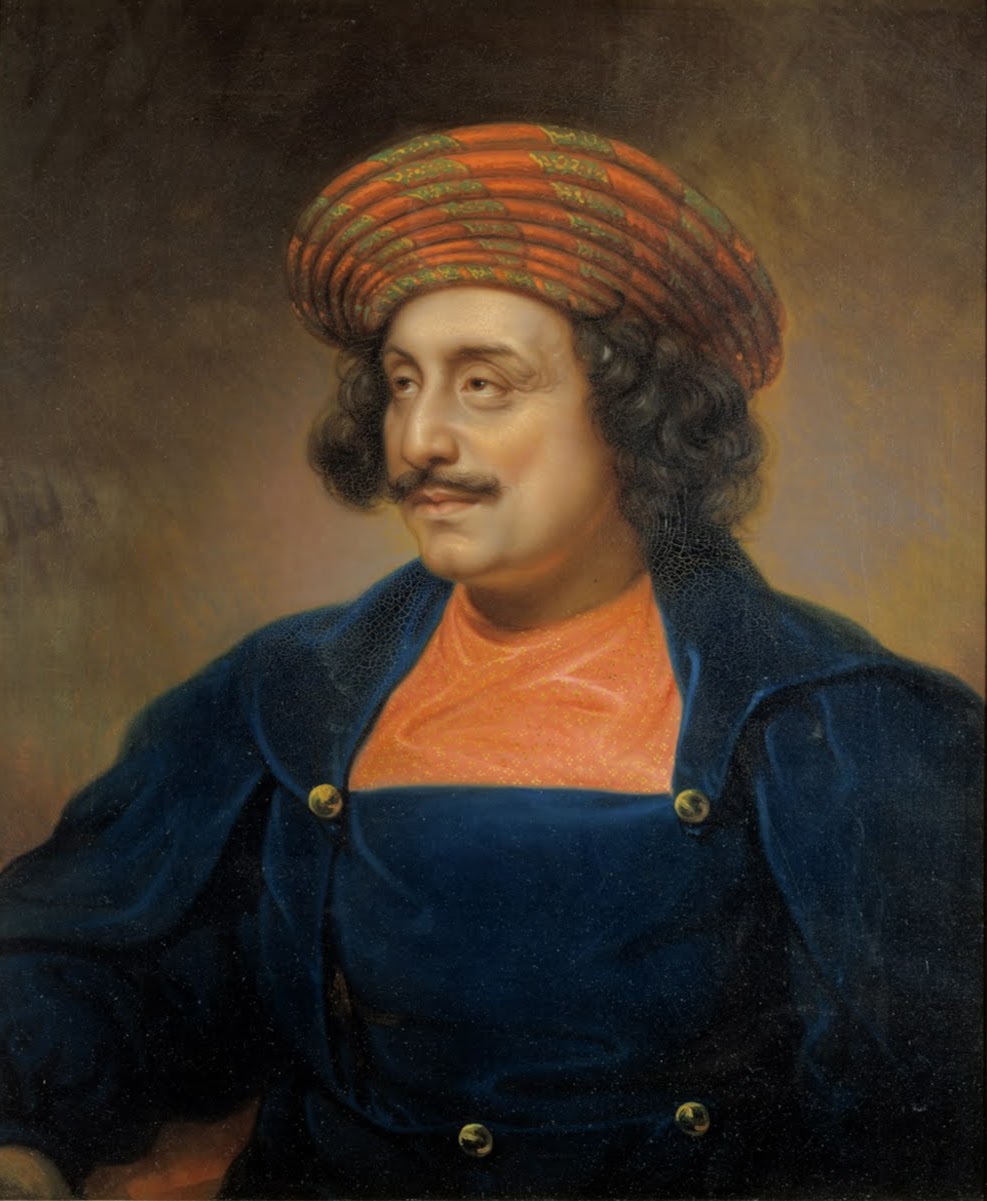
The Brahmo Samaj stands as one of the most significant socio-religious reform movements in modern Indian history. Founded in 1828 by Raja Ram Mohan Roy in Calcutta, it represented the first systematic attempt to reconcile Hindu tradition with Western rationalism and create a reformed religious framework for colonial India. Yet, nearly two centuries later, a critical assessment reveals a movement marked by profound contradictions—one that challenged orthodoxy while reinforcing certain hierarchies