Friday, 6 November 2026
History

An Open History magazine

Region

South Asia

12 articles

The Permanent Settlement of 1793
Early Modern

The Permanent Settlement of 1793

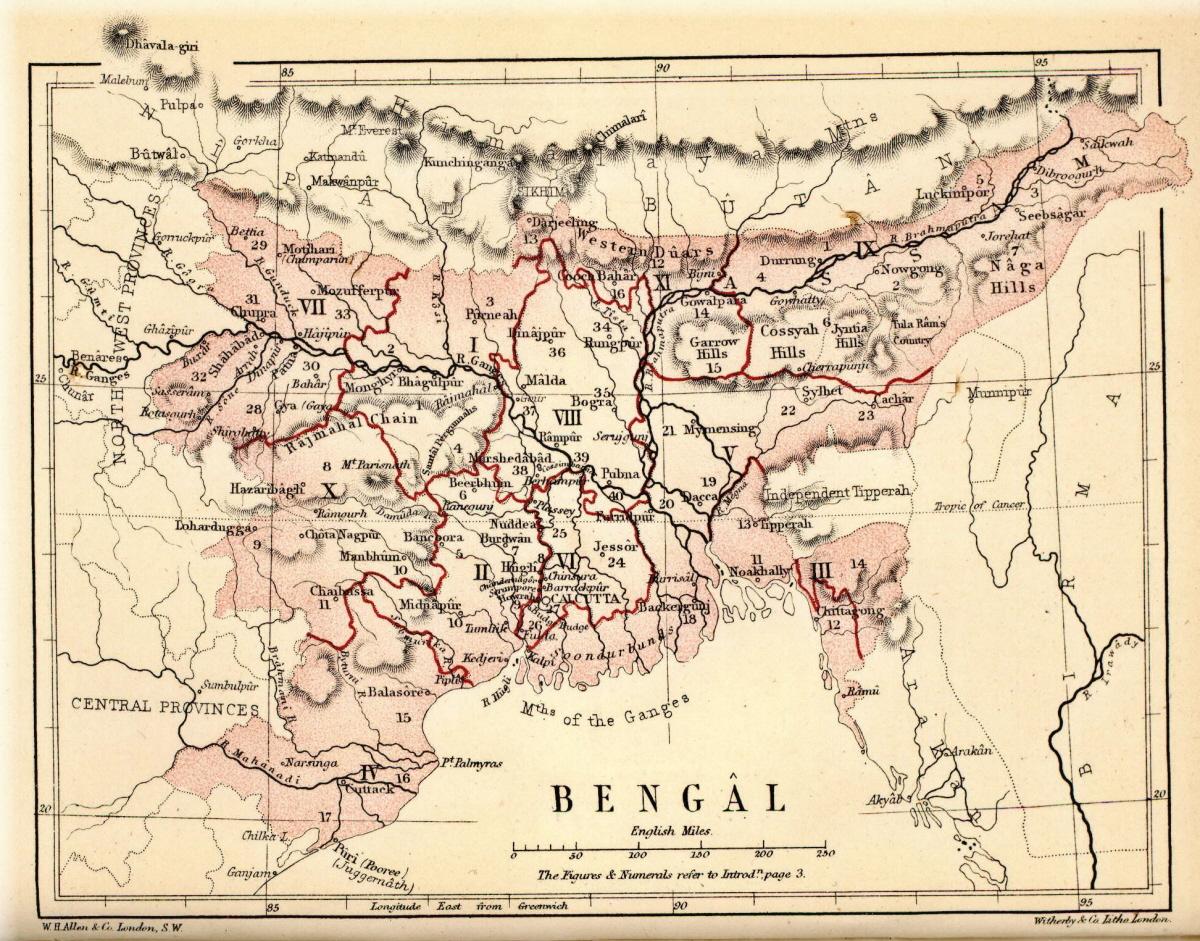
The Permanent Settlement, also known as the Zamindari Settlement, was introduced on March 22, 1793, by Lord Cornwallis, the Governor-General of British India. It was enacted through Regulation I of 1793 and applied primarily to Bengal, Bihar, and Orissa. It fixed the land revenue demand of the East India Company permanently, meaning the amount of tax to be paid by zamindars to the colonial government would never increase regardless of how productive the land became. This was one of the most cons
7 September 2026
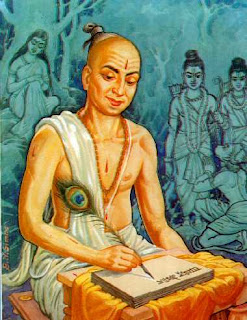
Tikkana Somayaji: When Words Became Weapons of Unity
Medieval World

Tikkana Somayaji: When Words Became Weapons of Unity

In the thirteenth century, when religious rivalries threatened to tear apart Telugu society, a poet-minister wielded his pen like a sword to unite a divided land. Born in 1205 into a Telugu-speaking Niyogi Brahmin family, Tikkana Somayaji emerged as the second poet of the legendary “Trinity of Poets” who translated the Mahabharata into Telugu. His life was a remarkable tapestry woven with threads of diplomacy, philosophy, literature, and statecraft a story of how one man’s vision transformed not

1 January 2026
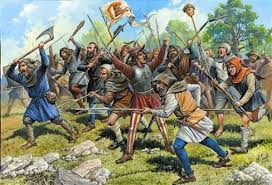
The Pagal Panthi Revolt (1825-1835): When Faith Became a Weapon of the Oppressed
Modern World

The Pagal Panthi Revolt (1825-1835): When Faith Became a Weapon of the Oppressed

In the early nineteenth century, the northern districts of Bengal witnessed a remarkable fusion of spiritual devotion and social rebellion. The Pagal Panthi Revolt of 1825-1835 stands as one of the most significant peasant uprisings against colonial oppression and feudal exploitation in British India. Led by charismatic leaders who combined religious authority with political vision, this movement represented the desperate struggle of marginalised tribal communities fighting for dignity, justice,

31 December 2025
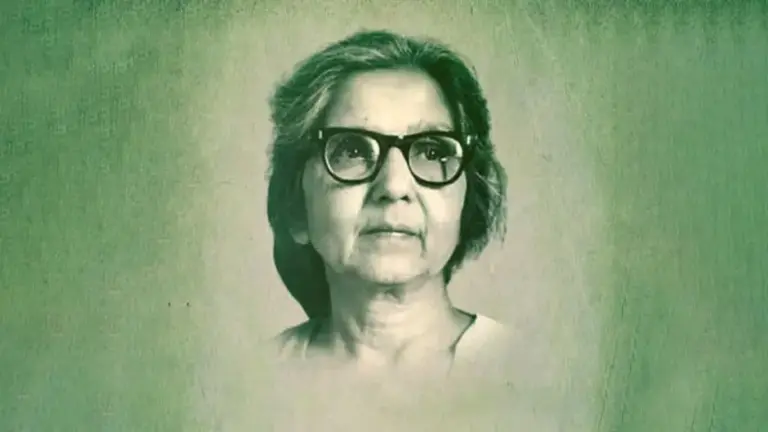
Aruna Asaf Ali: The Grand Old Lady of Indian Independence
Modern World

Aruna Asaf Ali: The Grand Old Lady of Indian Independence

Aruna Asaf Ali, born on July 16, 1909, in Kalka, Punjab (now Haryana), was one of the most courageous women freedom fighters in India’s struggle for independence. She earned the title “Grand Old Lady of the Independence Movement” for her fearless leadership during the Quit India Movement of 1942, when she defied British colonial authority in one of the most iconic moments of India’s freedom struggle. Her life was marked by extraordinary bravery, ideological conviction, and an unwavering commitme

30 December 2025
Modern World

Sudharak: India’s First Dalit Voice and the Birth of Anti-Caste Journalism

In 1888, at a time when the vast majority of Dalits in India were denied basic literacy and their voices systematically erased from public discourse, a remarkable man named Gopal Baba Walangkar did something unprecedented. He founded Sudharak (सुधारक), meaning “The Reformer”—India’s first newspaper published by and for the Dalit community. This wasn’t merely the launch of another periodical; it was an act of profound defiance against one of history’s most entrenched systems of oppression.

29 December 2025
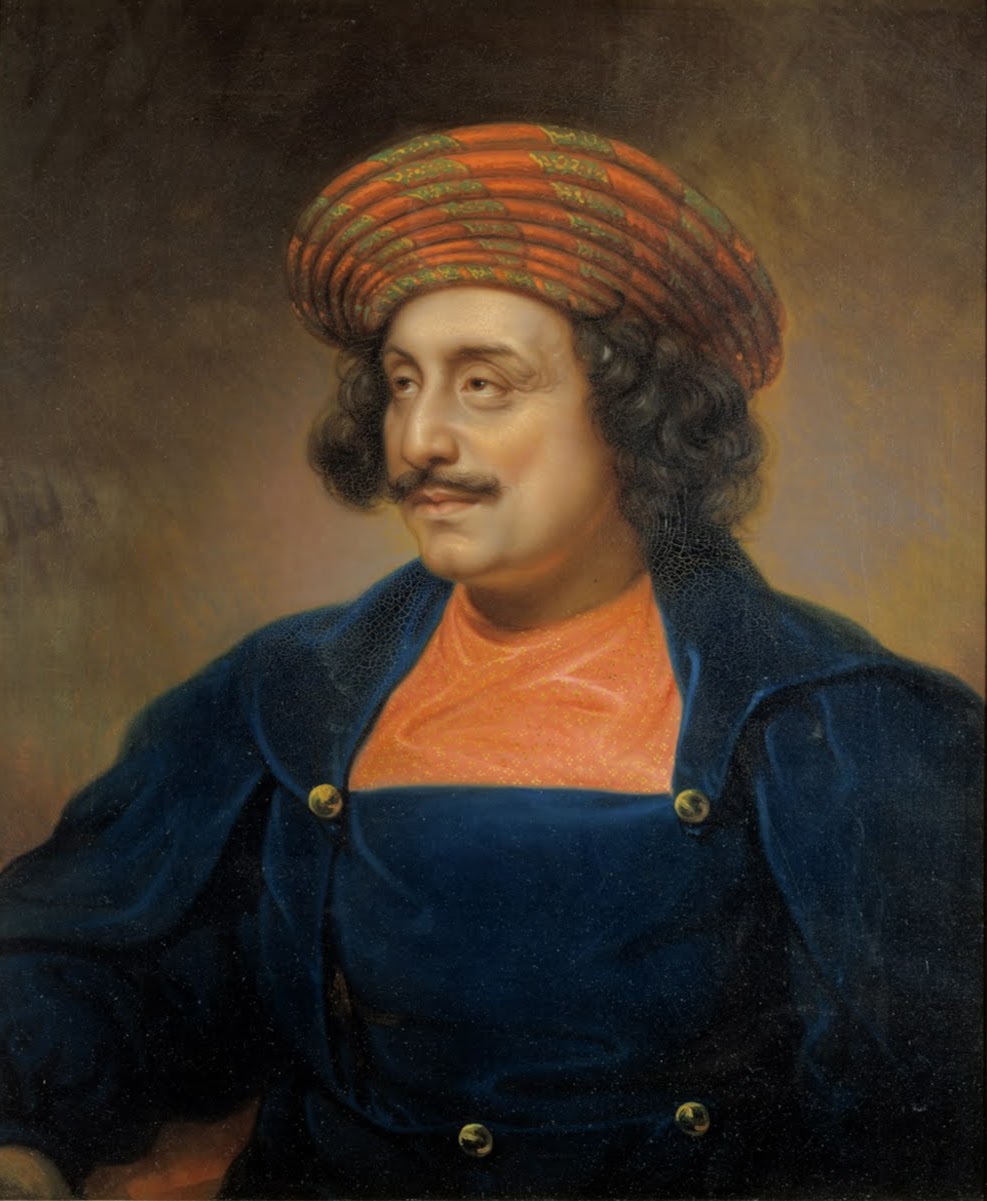
The Brahmo Samaj: A Critical Reexamination of India’s First Modern Reform Movement
Modern World

The Brahmo Samaj: A Critical Reexamination of India’s First Modern Reform Movement

The Brahmo Samaj stands as one of the most significant socio-religious reform movements in modern Indian history. Founded in 1828 by Raja Ram Mohan Roy in Calcutta, it represented the first systematic attempt to reconcile Hindu tradition with Western rationalism and create a reformed religious framework for colonial India. Yet, nearly two centuries later, a critical assessment reveals a movement marked by profound contradictions—one that challenged orthodoxy while reinforcing certain hierarchies

28 December 2025